| Inclusion Team | |||||
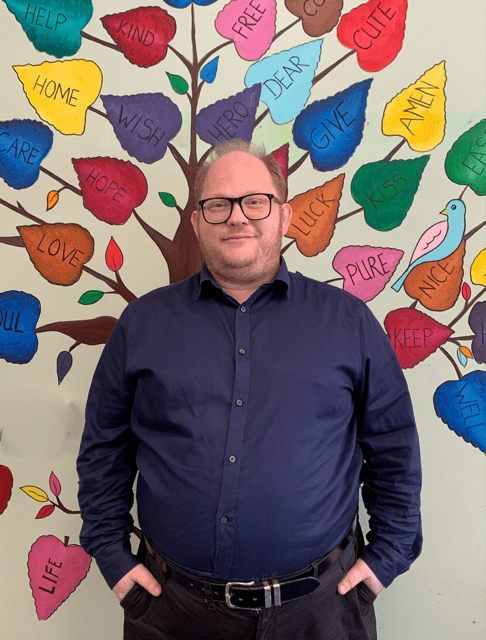 Mr B Burpitt Mr B Burpitt
Safeguarding |
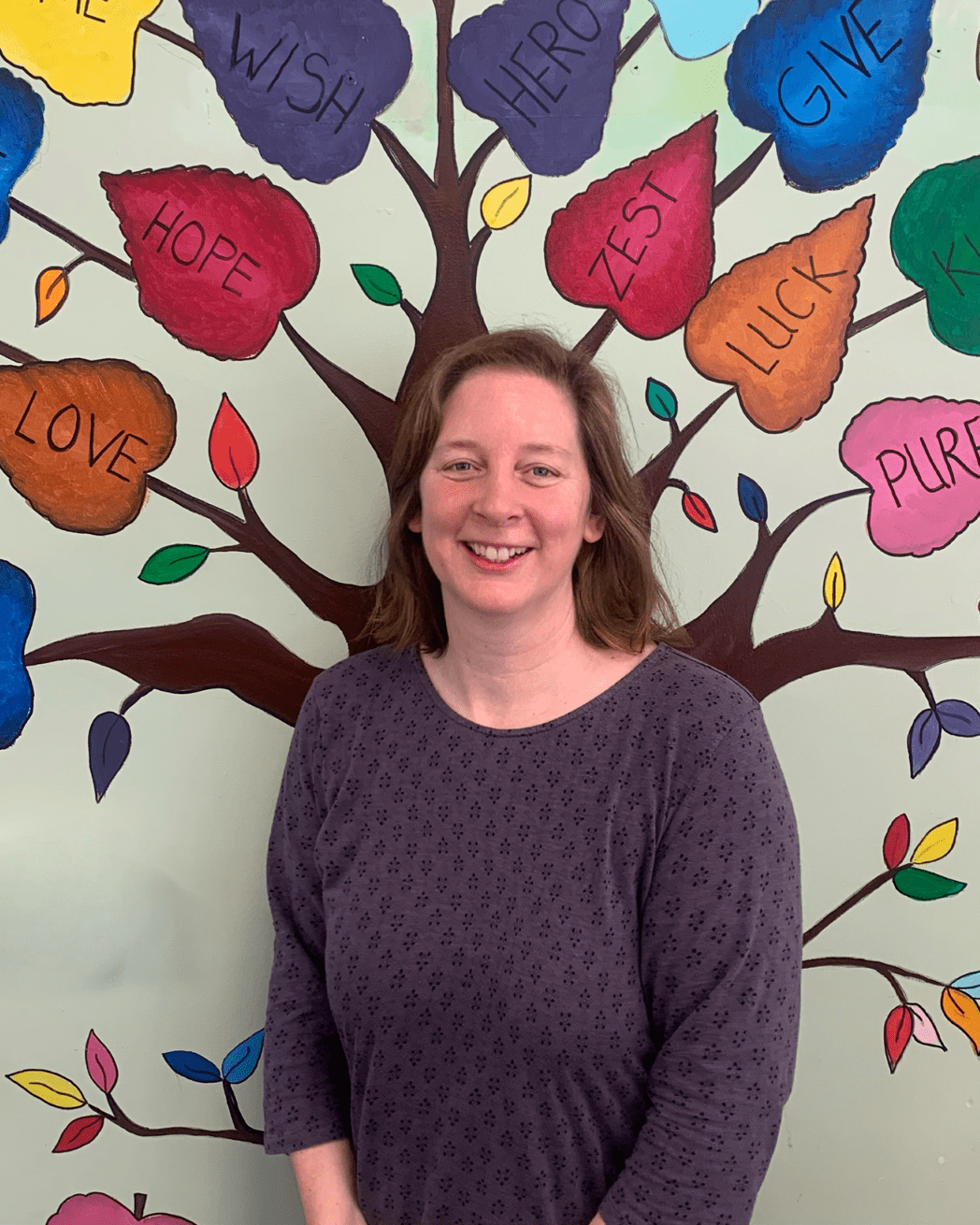 Miss K. Holland Miss K. Holland
SEND/Inclusion |
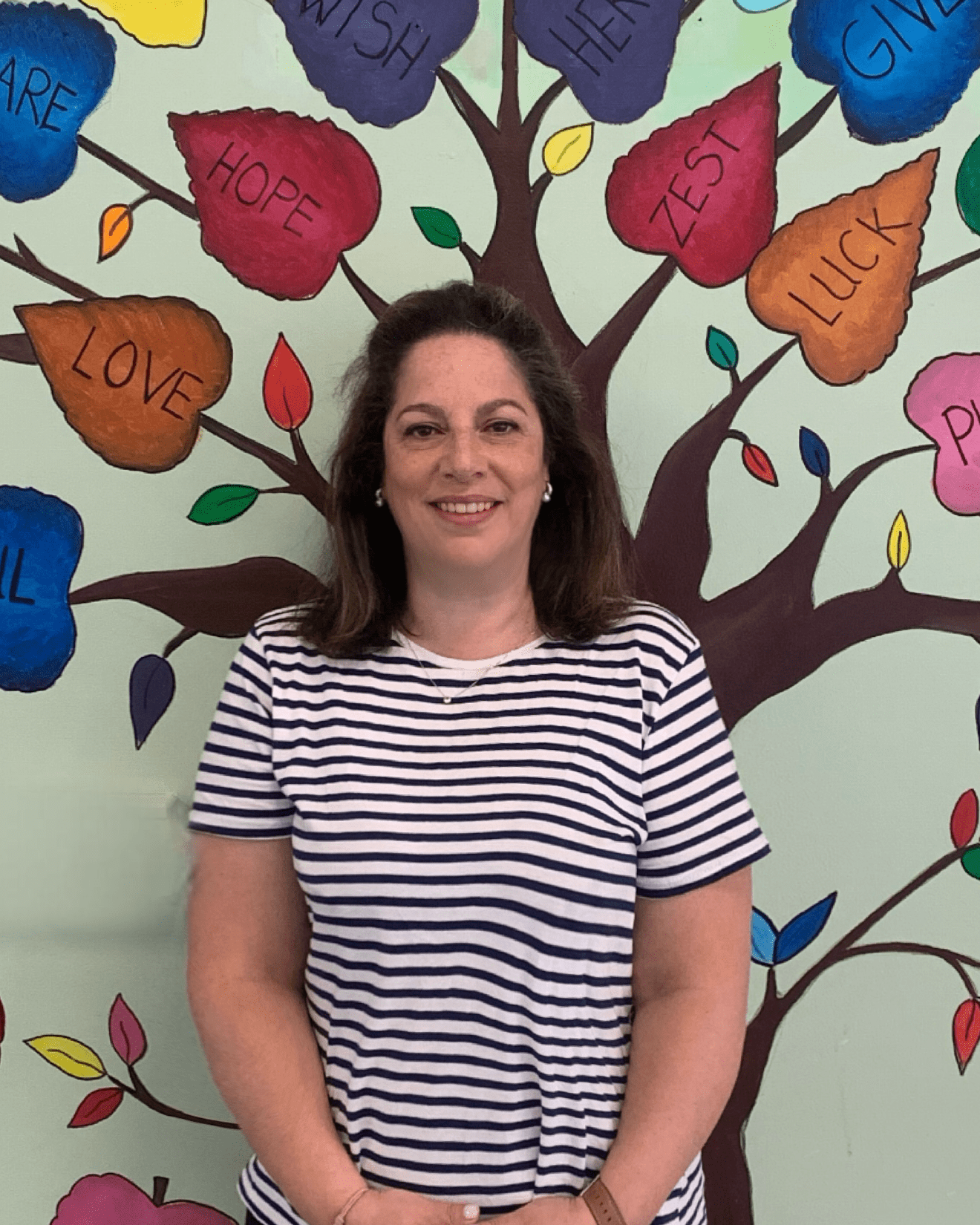 Mrs. M. Danesh Mrs. M. Danesh
Mental Health |
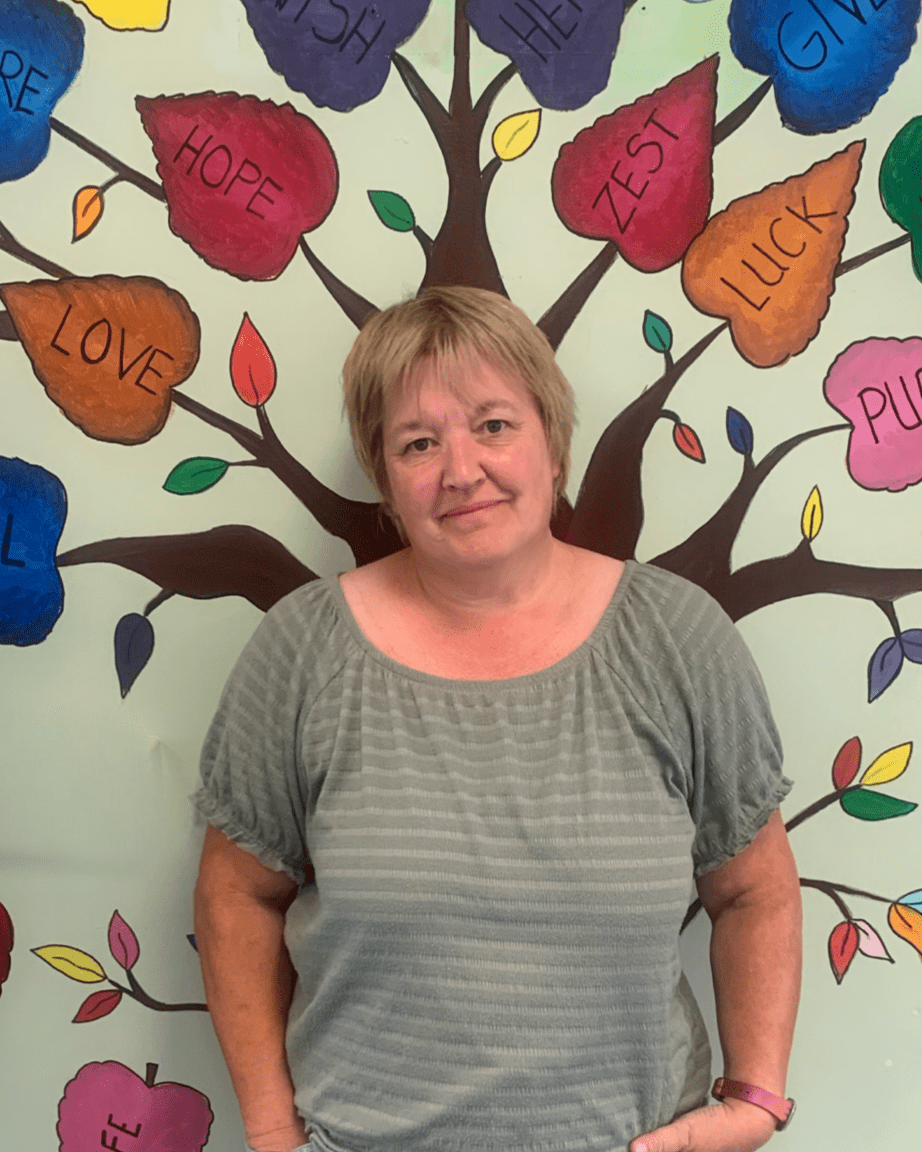 Mrs J. Hurst Mrs J. Hurst
Pastoral |
 Mr B. Robinson Mr B. Robinson
Behaviour |
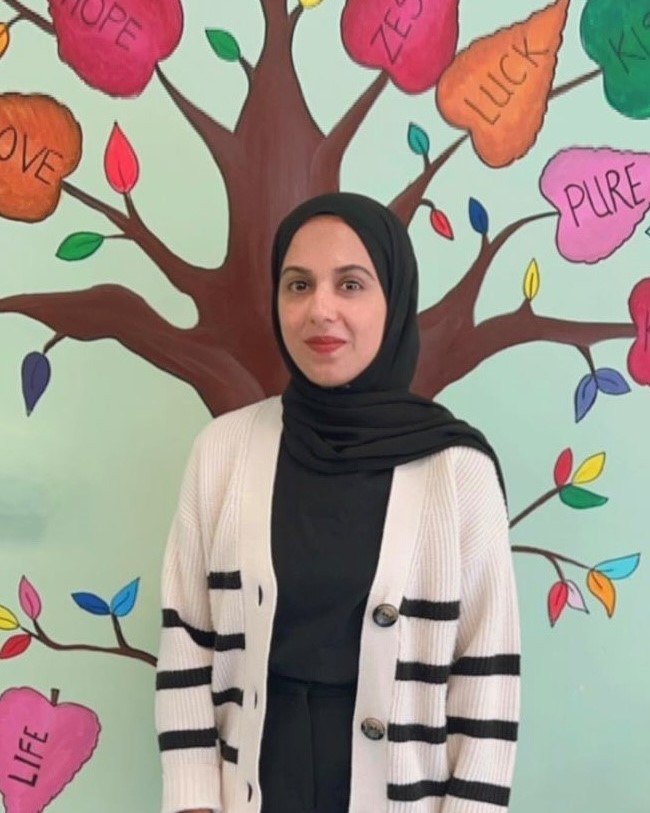 Mrs Z. Meman Mrs Z. Meman
Attendance |
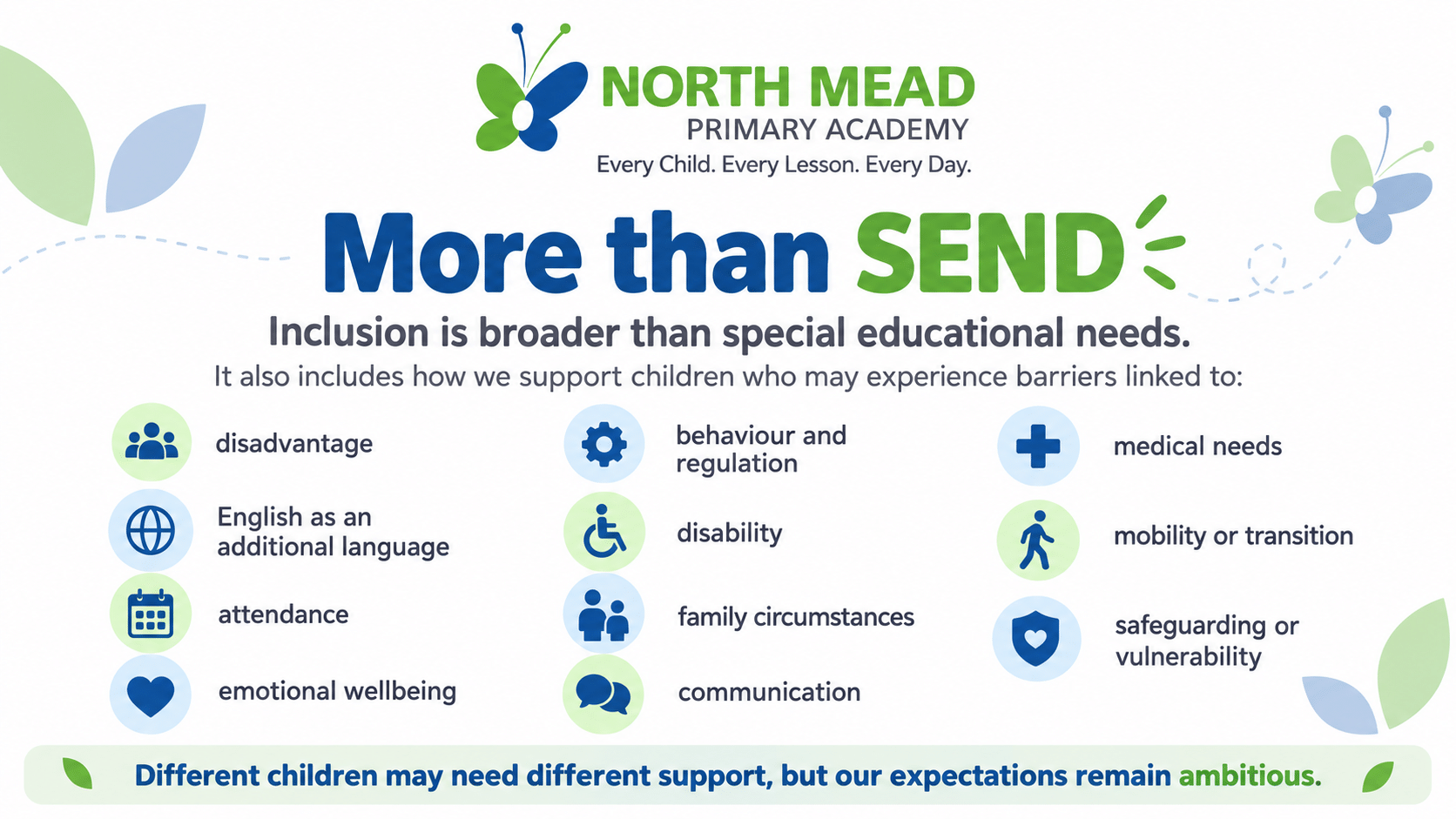
Our commitment
At North Mead, inclusion is not about fitting children into a system.
It is about adapting our provision so that children can succeed.
Every Child. Every Lesson. Every Day.
Every child belongs
At North Mead, inclusion is at the heart of everything we do.
We believe every child should be able to belong, participate and succeed, whatever their starting point, background or individual need.
We do not ask: “Can this child fit our school?” We ask: “What does this child need in order to succeed?”
That question shapes the way we teach, support children, work with families and make decisions about provision.
Our approach
Inclusion at North Mead is not the responsibility of one person or one team. It is a whole-school commitment.
We work to identify barriers early and provide the right support at the right time through:
- strong classroom teaching
- adaptive teaching
- SEND provision
- pastoral and emotional support
- attendance support
- behaviour and regulation support
- communication and language support
- support for pupils learning English as an additional language
- reasonable adjustments
- support for families
- external professionals where needed
Our aim is always to remove barriers without reducing ambition.
Belong. Participate. Succeed.
These three words describe what inclusion should feel like for children at North Mead.
- Belong – Children should feel known, valued, safe and part of their class and wider school community.
- Participate – Children should be supported to access learning, trips, clubs, enrichment, assemblies, friendships and the wider life of the school.
- Succeed – Children should make meaningful progress from their starting points, develop increasing independence and experience genuine success.
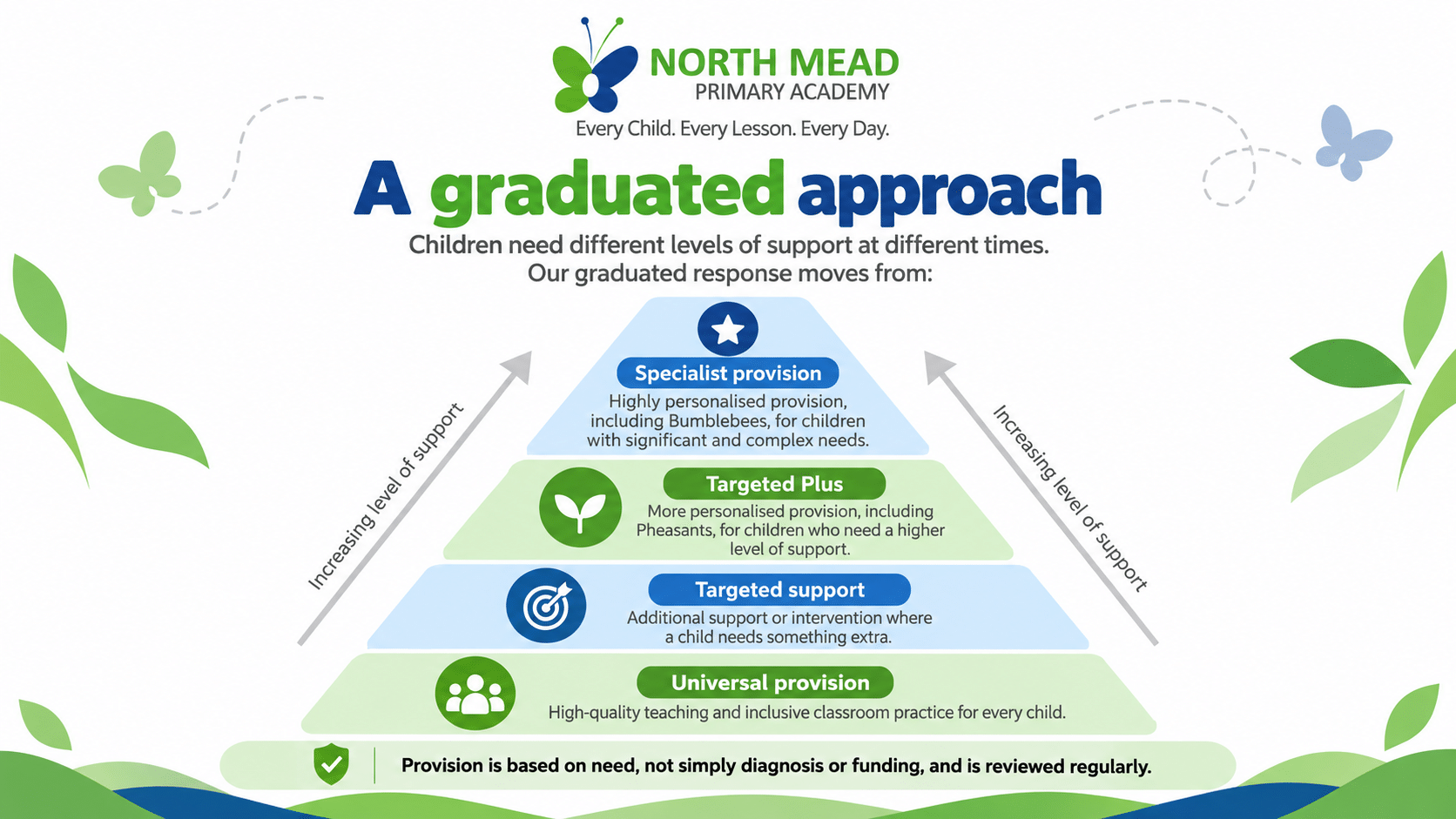
A graduated approach
Working with families
Families are important partners in inclusion.
We aim to:
- listen early
- communicate clearly
- understand concerns
- agree priorities
- explain support
- review provision
- involve families in decisions
- work together when needs change
If a family is worried about their child’s learning, communication, behaviour, attendance, wellbeing or development, we encourage them to speak to us early.
Working together around the child
Where a child needs additional support, staff work together rather than in isolation.
This may involve:
- class teachers
- teaching assistants
- SENDCo
- ELSA
- Family Support Worker
- attendance staff
- safeguarding staff
- senior leaders
- external professionals
The questions we ask are simple:
- What is the barrier?
- What does this child need?
- Who is best placed to help?
- Is the support making a difference?
Inclusion beyond the classroom
Inclusion also means access to the wider life of North Mead.
We want children to participate in:
- trips and visits
- Fantastic Fifty experiences
- sport
- swimming
- music
- clubs
- performances
- leadership
- assemblies
- playtimes and lunchtimes
- cultural experiences
- wider school events
Additional need should not unnecessarily mean reduced opportunity.
How we know inclusion is working
We do not measure inclusion by how much support a child receives.
We look at the difference that support makes.
We consider whether children are:
- learning
- attending
- participating
- communicating
- regulating more successfully
- building relationships
- becoming more independent
- making progress
- accessing wider opportunities
- feeling that they belong
The key question is: What has changed for the child?
Related North Mead Pages
- SEND
- Local Offer
- Accessibility Plan
- Equality Information and Objectives
- Services and Agencies
- EAL
 Together We Make A Positive Difference